



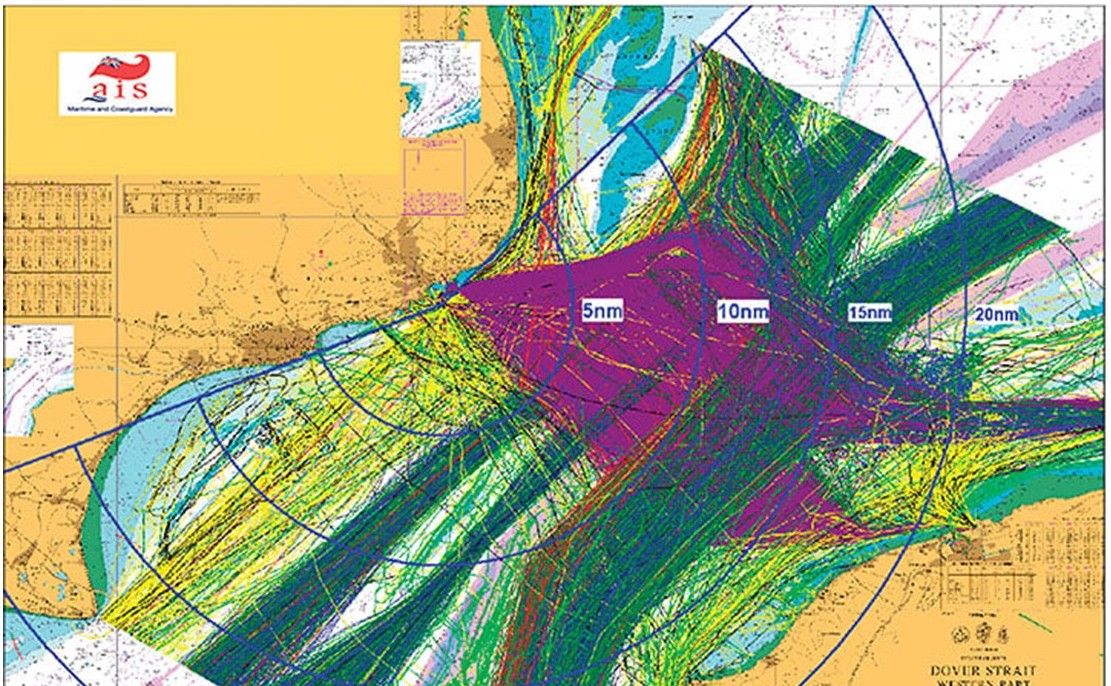
Image: UK General Lighthouse Authority – 28 days of ship traffic in Dover Strait
What’s new: An opinion piece from the head of the UK’s General Lighthouse Authority which is responsible for maritime aids to navigation and assists government in marine spatial planning.
Why its important:
- Maritime is an essential part of global trade and economic well being for virtually every nation.
- Most major maritime routes pass through one or more choke points (straits). If they are blocked or slowed because electronic navigation is not available, the economic and political consequences can be substantial.
- It is important to establish resilient navigation systems to help eliminate an easy way of hindering transits in these important areas.
What else to know:
- Heretofore, most straits (e.g. Hormuz, the Bosporus, Malacca, Dover) have been generally regarded as “international straits” with “freedom of navigation” for the ships of all nations. Coastal states adjacent to the straits are required under the Law of the Sea to leave vessels in “innocent passage” alone.
- As major powers progressively ignore international norms and law, all of this could unravel and coastal states (e.g. Iran at Hormuz) could claim sovereignty, open or close the waterway at will, charge tolls for passage, etc.
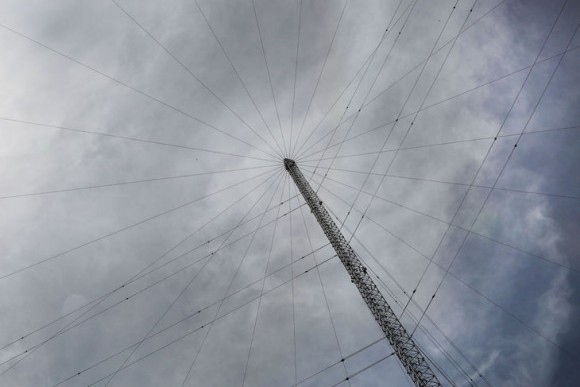
- The UK and France are establishing a terrestrial eLoran network that will provide high power, low frequency secure navigation services to the Dover Strait and other areas in the channel and North Sea.

Hormuz has shown the vulnerability but there are other emerging challenges to chokepoints like our own Dover Strait
The UK’s prosperity has always depended on the sea.
As an island trading nation, more than 85 per cent of the UK’s imports and exports by volume move by ship, and the waters around our coast are among the busiest in the world. Recent instability in the Strait of Hormuz and wider disruption to global shipping routes have shown how quickly maritime security becomes an economic concern, reinforcing the importance of keeping vital sea lanes open, resilient and secure.
Every day, thousands of vessels transit UK waters, including through our own maritime chokepoint, the Dover Strait: container ships carrying goods to our shelves, tankers supplying energy, ferries connecting communities, and vessels serving the renewable energy sector.
Keeping these routes open, safe and efficient is not a luxury; it is an economic and national necessity. That resilience depends on a navigation system capable of operating reliably in all conditions while adapting to a rapidly changing maritime environment.