


Satellite-navigation systems such as GPS are at risk of jamming, Alternatives are needed – The Economist

May 7, 2021

Written by Editor

Blog Editor’s Note: This is a good general interest article to which we contributed. It is behind a paywall, so many of our readers may choose not to access the entire piece. 

Most significant is that a highly regarded journal is addressing the issue. A sure sign of the growth of widespread concern, and, hopefully, movement in many quarters to mitigate risks.

 

5 May 2021

Back-ups for GPS

Satellite-navigation systems such as GPS are at risk of jamming

Alternatives are needed

The phrase “critical infrastructure” conjures up solidly earthbound images: road and rail networks, water and sewage pipes, electricity grids, the internet, and so on. Such stuff is so wound into the warp and weft of life that it is simultaneously both essential and taken for granted. One piece of infrastructure which has become critical over recent decades, though, is anything but earthbound. This is the various constellations of satellites, the most familiar of which is probably America’s Global Positioning System (gps), that orbit about 20,000km above Earth, broadcasting to the world precisely where they are and exactly what time it is.

The original purpose of the gps and its European (Galileo), Russian (glonass) and Chinese (BeiDou) counterparts was to enable suitably programmed receivers on or near the ground to calculate their whereabouts to within a few centimetres, by comparing signals from several satellites. In this role they have become ubiquitous, running everything from the navigation systems of planes, ships and automobiles, both military and civilian, to guiding the application of water and fertiliser in precision agriculture. But global-navigation satellite systems (gnss), to give their collective name, now do much more than that. By acting as clocks that broadcast the time accurate to within a few dozen nanoseconds, they are crucial to jobs ranging from coordinating electricity grids and mobile-phone networks to time-stamping financial transactions and regulating the flow of information in and out of data centres.
READ MORE (PAYWALL AHEAD)

What Can YOU Do? How Can YOU Help?

PNT is the quiet backbone of everything but too many leaders still don't see the risk.

But you do. You understand the systems, the dependencies, the failure chains. That insight is rare — and it's exactly what your country needs right now. Contact your government leaders and industry decision-makers and tell them resilient PNT isn't a feature — it's the foundation everything else depends on.

Start the Conversation

Use our Resilient PNT Key Talking Points to make the case.

U.S. Advocates

Find your representatives at Congress.gov, then use our email template to reach them in minutes.

When you get a response, let us know. Every conversation strengthens the mission.

More PNT News

UK maritime navigation leader on chokepoints – PoliticsHome

UK maritime navigation leader on chokepoints – PoliticsHome

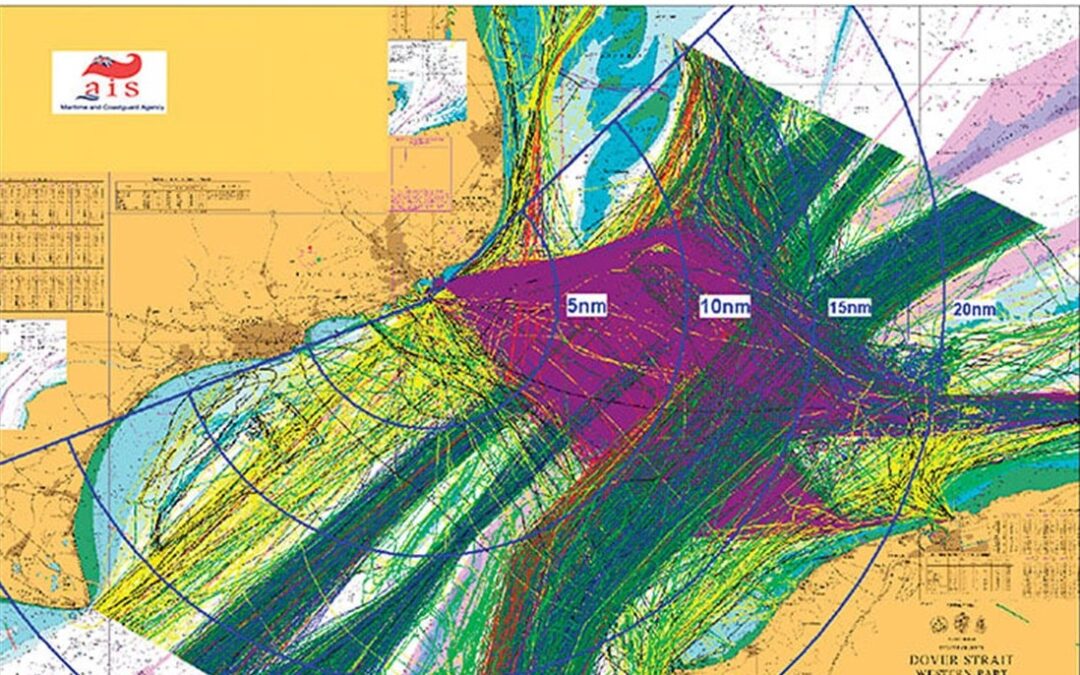
Image: UK General Lighthouse Authority - 28 days of ship traffic in Dover Strait What's new: An opinion piece from the head of the UK's General Lighthouse Authority which is responsible for maritime aids to navigation and assists government in marine spatial planning....

Lithuania Warns Russia Can Spoof GPS Across Europe – tovima.com

Lithuania Warns Russia Can Spoof GPS Across Europe – tovima.com

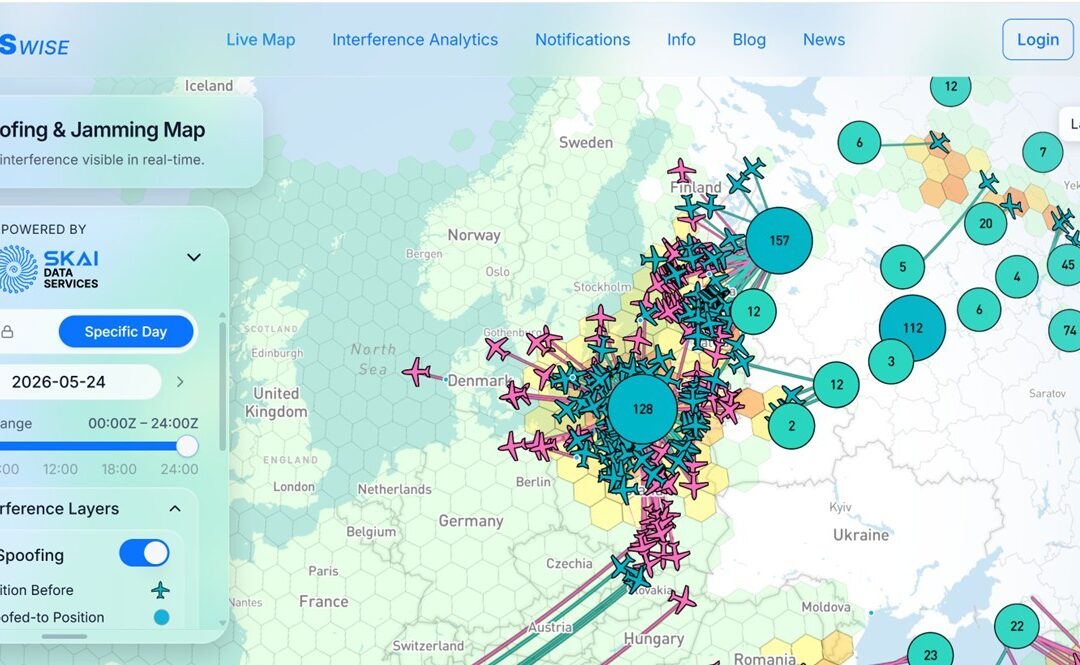
Image: Spoofing activity in northern Europe displayed on GPSWise.areo What's new: A report of increased Russian spoofing capability in Kaliningrad. Why it's important: Spoofing is hazardously misleading information and can result in tragedy. What else to know:...

Russia attacks NATO with drones – The Telegraph

Russia attacks NATO with drones – The Telegraph

Image: Shutterstock What's new: A report of Russia spoofing Ukrainian drones and sending them against NATO targets. Why it's important: Russia is attacking NATO kinetically. This is not just electronic warfare anymore. Secondarily: If true, it shows Ukraine is still...

Canada Ending Radio Time Signals (accuracy

Canada Ending Radio Time Signals (accuracy <1ms)

Image: Shutterstock What's new: Canada has announced it is cancelling its short wave time signals as of the 22nd of June 2026. Why it's important: The other sources of official time from the Canadian government (National Research Council, or NRC) are less accurate...

Get PNT News in Your Inbox