


Selective Availability, IoT, Suez Canal Visit, Featured at Arab Institute of Navigation Conference – Inside GNSS

October 6, 2018

Written by Editor

Blog Editor’s Note: It was a privilege to participate in this event and meet with the attendees. A fascinating mix of experience and expertise from the US, Europe and Middle East.

InsideGNSS

Selective Availability, IoT, Suez Canal Visit, Featured at Arab Institute of Navigation Conference

The recently concluded Arab Institute of Navigation biennial conference in Cairo, “GNSS, the Key to Innovation,” featured a wide variety of presentations of interest to navigators and technologists alike.

Presenters ranged from representatives of the European Space Agency (ESA) and NASA, to those from a transportation company that uses GNSS-enabled tracking while transporting priceless ancient artifacts to the under-construction Grand Egyptian Museum.

Briefing topics included GNSS vulnerabilities as well as GNSS’ roles in Internet of Things (IoT), search and rescue, and smart cities. A challenge mentioned several times was that GNSS services are national systems. While they are now available for use by all, provider nations could degrade or deny service at some point. Selective availability was cited as an example. NASA officials at the conference pointed out that the United States ended selective availability in the year 2000, and that America has pledged it will never be reinstated. Despite this, the possibility of future “selective availability” instances seemed to remain a concern.

The conference was topped off with a technical excursion to the Suez Canal. Conference goers were hosted and briefed by Vice Admiral Mohab Mamish, chairman of the Suez Canal Authority. The briefing included a video detailing how between 2014-15 Egypt built a parallel canal to the original “mother” canal in just under one year. The new canal has allowed simultaneous two-way traffic through the entire length of the waterway. Vessel traffic monitoring and control is based upon the maritime, GNSS-enabled, Automatic Identification System. After sailing on both the old and new Suez canals, conference goers were treated to a fresh seafood dinner sourced from local fish farms that were created when the new canal was built.

Dana Goward is president of the Resilient Navigation & Timing Foundation and a regular contributor to Inside GNSS.
What Can YOU Do? How Can YOU Help?

PNT is the quiet backbone of everything but too many leaders still don't see the risk.

But you do. You understand the systems, the dependencies, the failure chains. That insight is rare — and it's exactly what your country needs right now. Contact your government leaders and industry decision-makers and tell them resilient PNT isn't a feature — it's the foundation everything else depends on.

Start the Conversation

Use our Resilient PNT Key Talking Points to make the case.

U.S. Advocates

Find your representatives at Congress.gov, then use our email template to reach them in minutes.

When you get a response, let us know. Every conversation strengthens the mission.

More PNT News

UK maritime navigation leader on chokepoints – PoliticsHome

UK maritime navigation leader on chokepoints – PoliticsHome

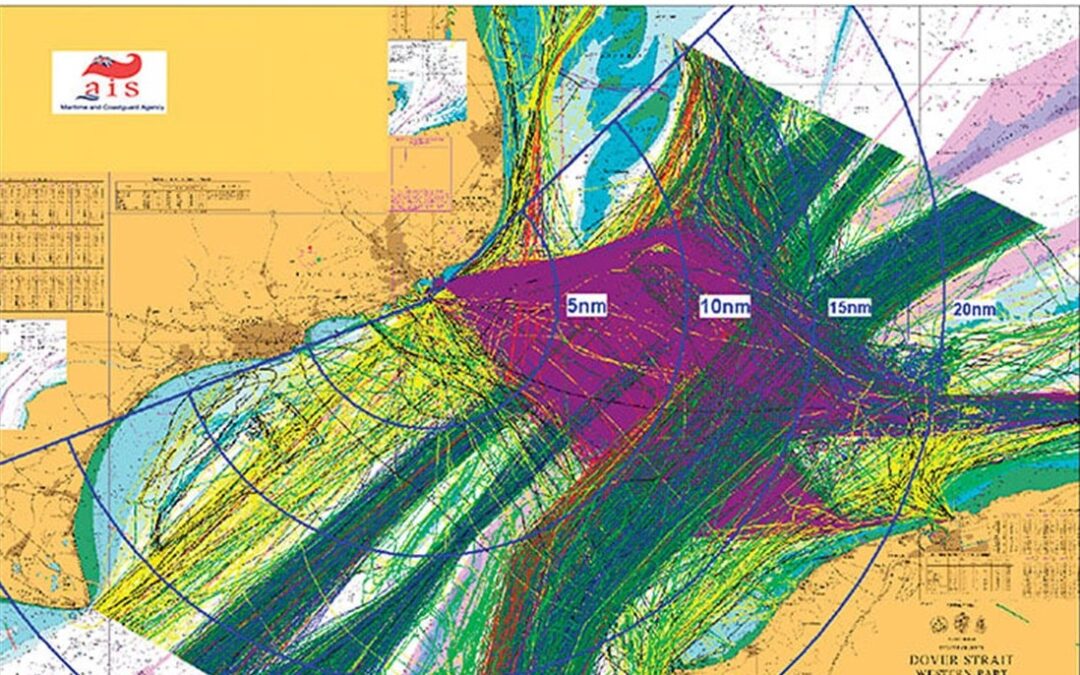
Image: UK General Lighthouse Authority - 28 days of ship traffic in Dover Strait What's new: An opinion piece from the head of the UK's General Lighthouse Authority which is responsible for maritime aids to navigation and assists government in marine spatial planning....

Lithuania Warns Russia Can Spoof GPS Across Europe – tovima.com

Lithuania Warns Russia Can Spoof GPS Across Europe – tovima.com

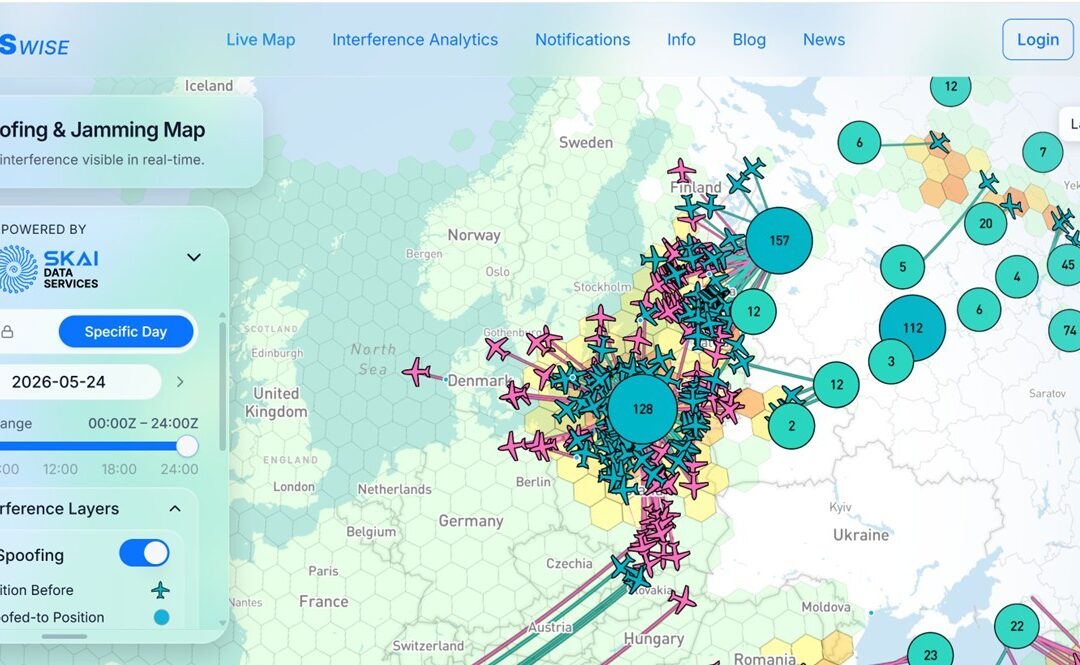
Image: Spoofing activity in northern Europe displayed on GPSWise.areo What's new: A report of increased Russian spoofing capability in Kaliningrad. Why it's important: Spoofing is hazardously misleading information and can result in tragedy. What else to know:...

Russia attacks NATO with drones – The Telegraph

Russia attacks NATO with drones – The Telegraph

Image: Shutterstock What's new: A report of Russia spoofing Ukrainian drones and sending them against NATO targets. Why it's important: Russia is attacking NATO kinetically. This is not just electronic warfare anymore. Secondarily: If true, it shows Ukraine is still...

Canada Ending Radio Time Signals (accuracy

Canada Ending Radio Time Signals (accuracy <1ms)

Image: Shutterstock What's new: Canada has announced it is cancelling its short wave time signals as of the 22nd of June 2026. Why it's important: The other sources of official time from the Canadian government (National Research Council, or NRC) are less accurate...

Get PNT News in Your Inbox