



Location Anomalies + Data = Intelligence

October 15, 2025

Written by Editor

Image: Shutterstock

What’s new: A post about how detection of GPS / GNSS jamming & spoofing should be combined with other data to create good, hopefully actionable, intelligence.

Why it’s important: Intentional interference with GNSS is often done to conceal malicious activity. Knowing as much as possible about that activity enables better law enforcement, anti-terrorism, environmental protection, and other actions needed for the common good.

What else to know:

  • Intelligence is all well and good as long as it is actionable and acted upon.
  • In the early days of the Automatic Identification System (AIS) which is the maritime self-reporting/tracking system based on GPS, the intelligence and enforcement community wasn’t worried about false location reporting (there are other ways of doing it besides spoofing) because it would create a detectable anomaly. The bad actors would essentially be identifying themselves. The problem became that there were too many anomalies and not enough government resources to act on them.
  • Drug trafficking is a good example. There is so much going on and the incentives are so great that governments do not have the aircraft and vessels (or do not want to devote the aircraft and vessels), needed to make a big impact on the flow.


Identifying Emerging Security Threats Through Satellite Data Fusion

Introduction

Satellite data, including Automatic Identification System (AIS) feeds, Synthetic Aperture Radar (SAR) imagery, GNSS signals and other sensor readings, provides a powerful window into activity at sea and on land. However, satellite data alone rarely provides enough context to support critical decisions. For national security agencies and maritime organizations, the challenge is to fuse this information with other intelligence sources – from human intelligence (HUMINT) and open-source intelligence (OSINT) to transaction records and corporate registries – so analysts can quickly identify threats, anticipate patterns and act decisively.
READ MORE

What Can YOU Do? How Can YOU Help?

PNT is the quiet backbone of everything but too many leaders still don't see the risk.

But you do. You understand the systems, the dependencies, the failure chains. That insight is rare — and it's exactly what your country needs right now. Contact your government leaders and industry decision-makers and tell them resilient PNT isn't a feature — it's the foundation everything else depends on.

Start the Conversation

Use our Resilient PNT Key Talking Points to make the case.

U.S. Advocates

Find your representatives at Congress.gov, then use our email template to reach them in minutes.

When you get a response, let us know. Every conversation strengthens the mission.

More PNT News

UK maritime navigation leader on chokepoints – PoliticsHome

UK maritime navigation leader on chokepoints – PoliticsHome

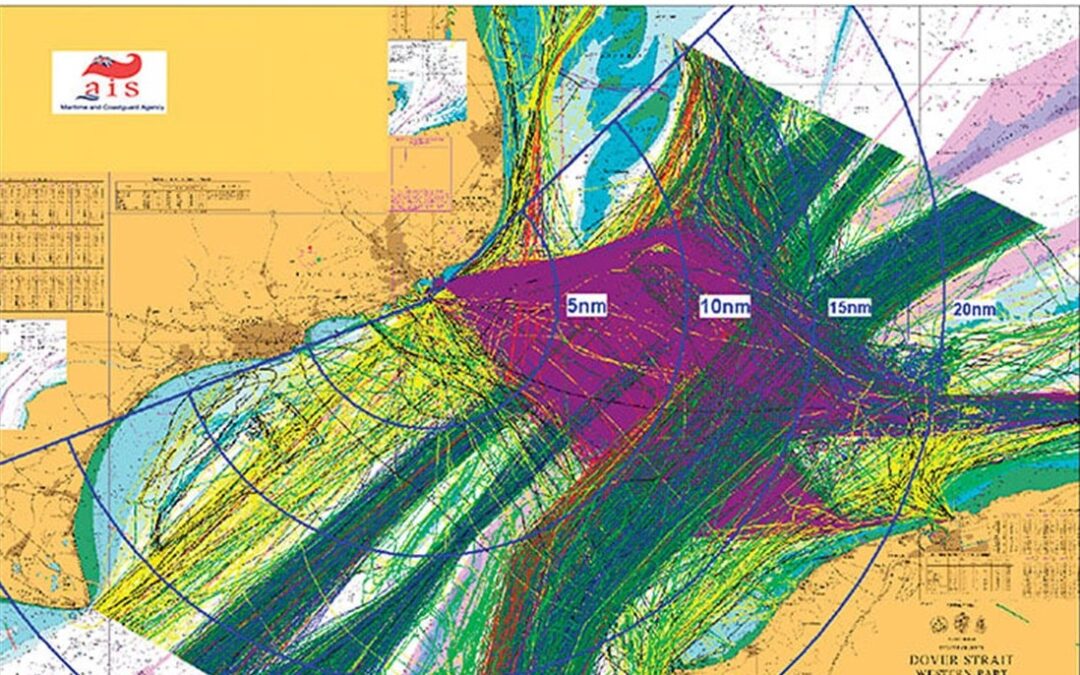
Image: UK General Lighthouse Authority - 28 days of ship traffic in Dover Strait What's new: An opinion piece from the head of the UK's General Lighthouse Authority which is responsible for maritime aids to navigation and assists government in marine spatial planning....

Lithuania Warns Russia Can Spoof GPS Across Europe – tovima.com

Lithuania Warns Russia Can Spoof GPS Across Europe – tovima.com

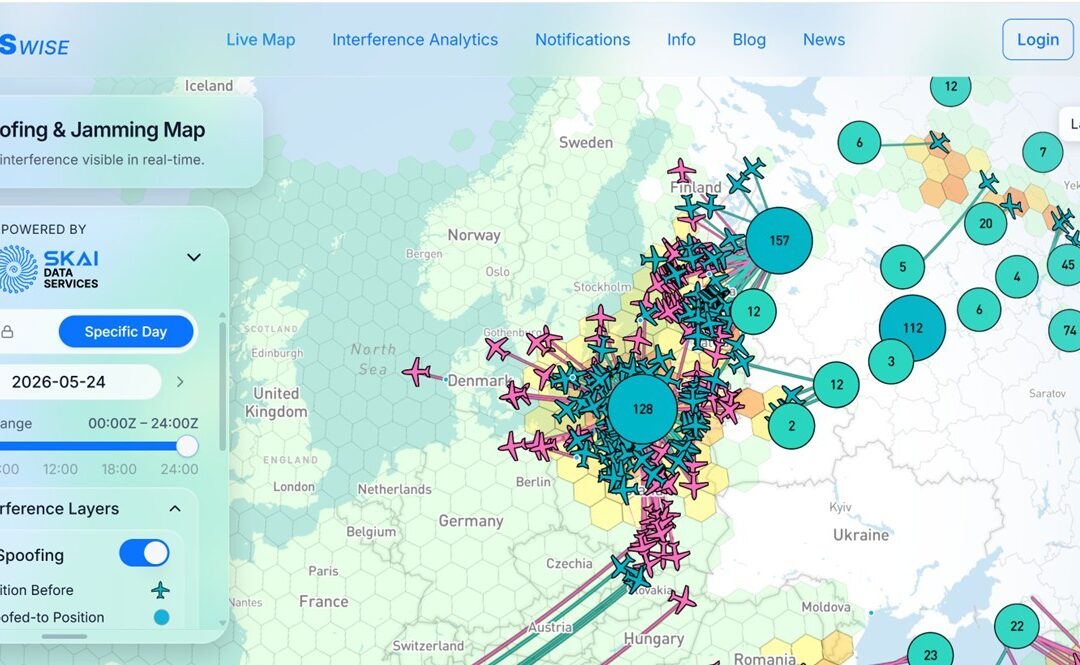
Image: Spoofing activity in northern Europe displayed on GPSWise.areo What's new: A report of increased Russian spoofing capability in Kaliningrad. Why it's important: Spoofing is hazardously misleading information and can result in tragedy. What else to know:...

Russia attacks NATO with drones – The Telegraph

Russia attacks NATO with drones – The Telegraph

Image: Shutterstock What's new: A report of Russia spoofing Ukrainian drones and sending them against NATO targets. Why it's important: Russia is attacking NATO kinetically. This is not just electronic warfare anymore. Secondarily: If true, it shows Ukraine is still...

Canada Ending Radio Time Signals (accuracy

Canada Ending Radio Time Signals (accuracy <1ms)

Image: Shutterstock What's new: Canada has announced it is cancelling its short wave time signals as of the 22nd of June 2026. Why it's important: The other sources of official time from the Canadian government (National Research Council, or NRC) are less accurate...

Get PNT News in Your Inbox