



Tracking the Top PNT Trends for 2025 – Geospatial World

February 25, 2025

Written by Editor

Image: Shutterstock

What’s new: Adam Price from Spirent offering a look ahead for PNT in 2025.

Why it’s important: A huge rise in GNSS interference makes the future of PNT and its users uncertain and may cause sudden and significant changes. As a prominent player in PNT, especially in GNSS, when Spirent speaks, folks should listen.

What else to know:

  • We would like to add to Adam’s great observations. Other things to look for this year and beyond:
    • More quantum. Quantum inertial was flown in an aircraft last year and clocks are getting better and better SWaP-C.
    • More eLoran. The UK has two initiatives underway. One a fixed system to serve the whole nation, the other a deployable system for its MOD. South Korea and China have completed their eLoran systems, and we understand other countries are going to announce plans to build systems soon.
    • More LEO. We know of at least three companies investing in LEO PNT, and at least three governments have projects or prototypes underway.
    • More MOSA. Modular Open System Architecture for PNT is being implemented by the US DoD and seems to be catching on, as a concept anyway, elsewhere.
  • Spirent is a premium corporate supporter of the RNT Foundation.


Tracking the Top PNT Trends for 2025

What should we expect from the regulatory bodies governing GPS/GNSS technologies? Where do we see the greatest threats to GNSS accuracy and safety, and what is the industry doing about them?? These are just some of the questions facing equipment manufacturers, integrators, and others developing position, navigation, and timing (PNT) technologies as they look ahead in the coming year.

As the world’s leading provider of PNT testing solutions for nearly four decades, we’re well positioned to offer some answers. Based on hundreds of engagements we’re conducting worldwide, here are the biggest PNT trends we’re following in 2025.

NAVWAR threats will grow beyond the battlefield, increasingly disrupting civil applications
READ MORE


What Can YOU Do? How Can YOU Help?

PNT is the quiet backbone of everything but too many leaders still don't see the risk.

But you do. You understand the systems, the dependencies, the failure chains. That insight is rare — and it's exactly what your country needs right now. Contact your government leaders and industry decision-makers and tell them resilient PNT isn't a feature — it's the foundation everything else depends on.

Start the Conversation

Use our Resilient PNT Key Talking Points to make the case.

U.S. Advocates

Find your representatives at Congress.gov, then use our email template to reach them in minutes.

When you get a response, let us know. Every conversation strengthens the mission.

More PNT News

UK maritime navigation leader on chokepoints – PoliticsHome

UK maritime navigation leader on chokepoints – PoliticsHome

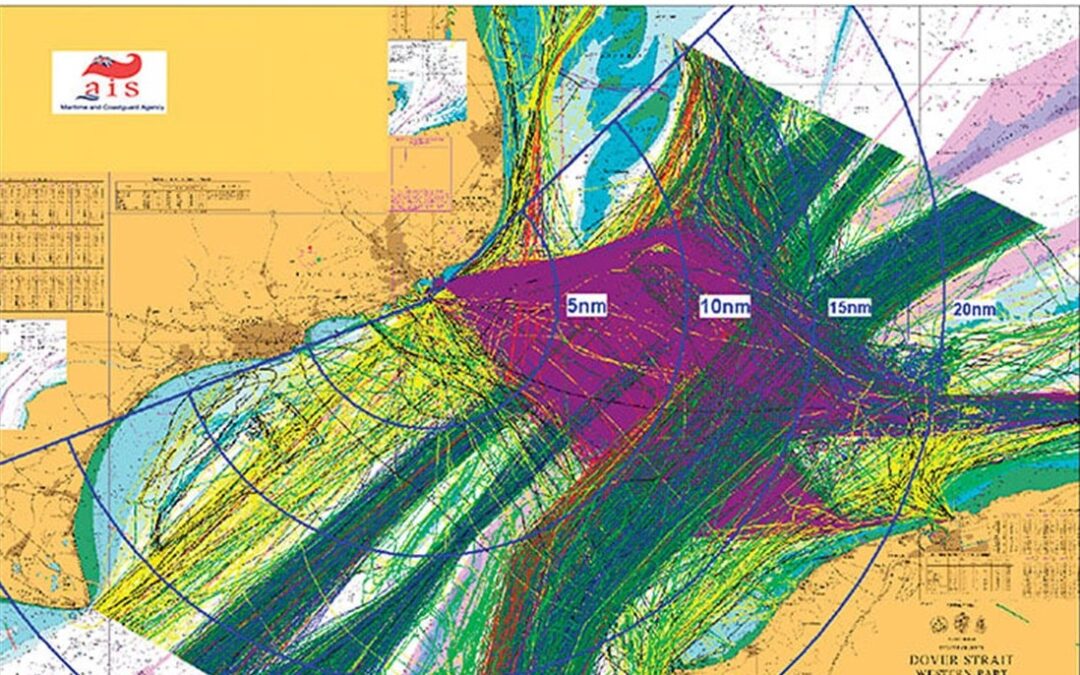
Image: UK General Lighthouse Authority - 28 days of ship traffic in Dover Strait What's new: An opinion piece from the head of the UK's General Lighthouse Authority which is responsible for maritime aids to navigation and assists government in marine spatial planning....

Lithuania Warns Russia Can Spoof GPS Across Europe – tovima.com

Lithuania Warns Russia Can Spoof GPS Across Europe – tovima.com

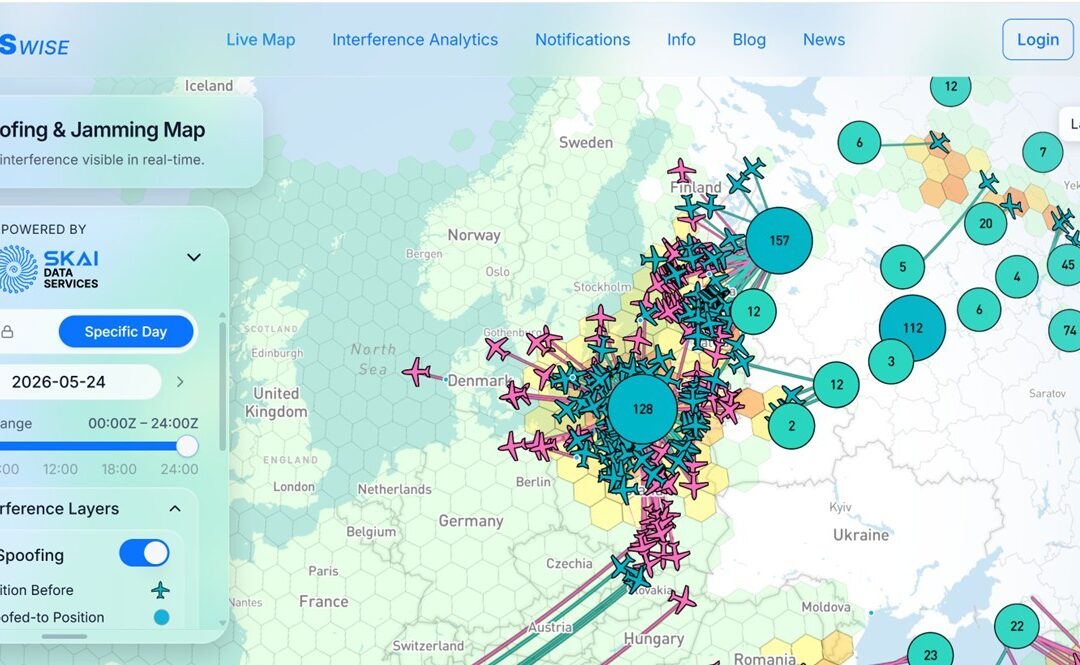
Image: Spoofing activity in northern Europe displayed on GPSWise.areo What's new: A report of increased Russian spoofing capability in Kaliningrad. Why it's important: Spoofing is hazardously misleading information and can result in tragedy. What else to know:...

Russia attacks NATO with drones – The Telegraph

Russia attacks NATO with drones – The Telegraph

Image: Shutterstock What's new: A report of Russia spoofing Ukrainian drones and sending them against NATO targets. Why it's important: Russia is attacking NATO kinetically. This is not just electronic warfare anymore. Secondarily: If true, it shows Ukraine is still...

Canada Ending Radio Time Signals (accuracy

Canada Ending Radio Time Signals (accuracy <1ms)

Image: Shutterstock What's new: Canada has announced it is cancelling its short wave time signals as of the 22nd of June 2026. Why it's important: The other sources of official time from the Canadian government (National Research Council, or NRC) are less accurate...

Get PNT News in Your Inbox