




Image: Shutterstock
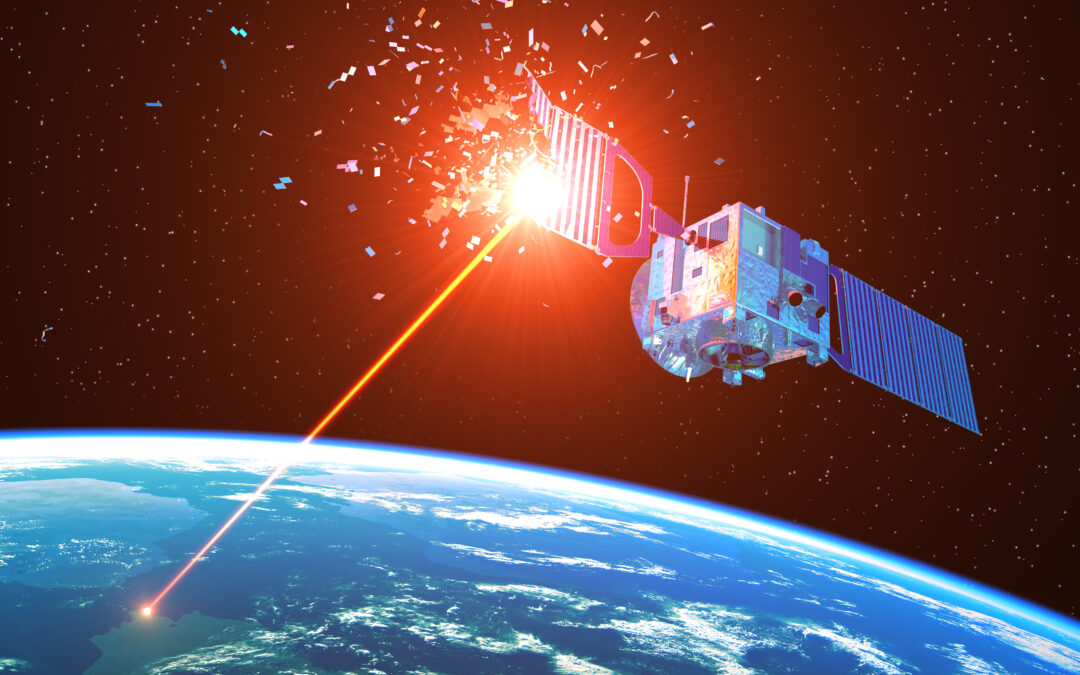
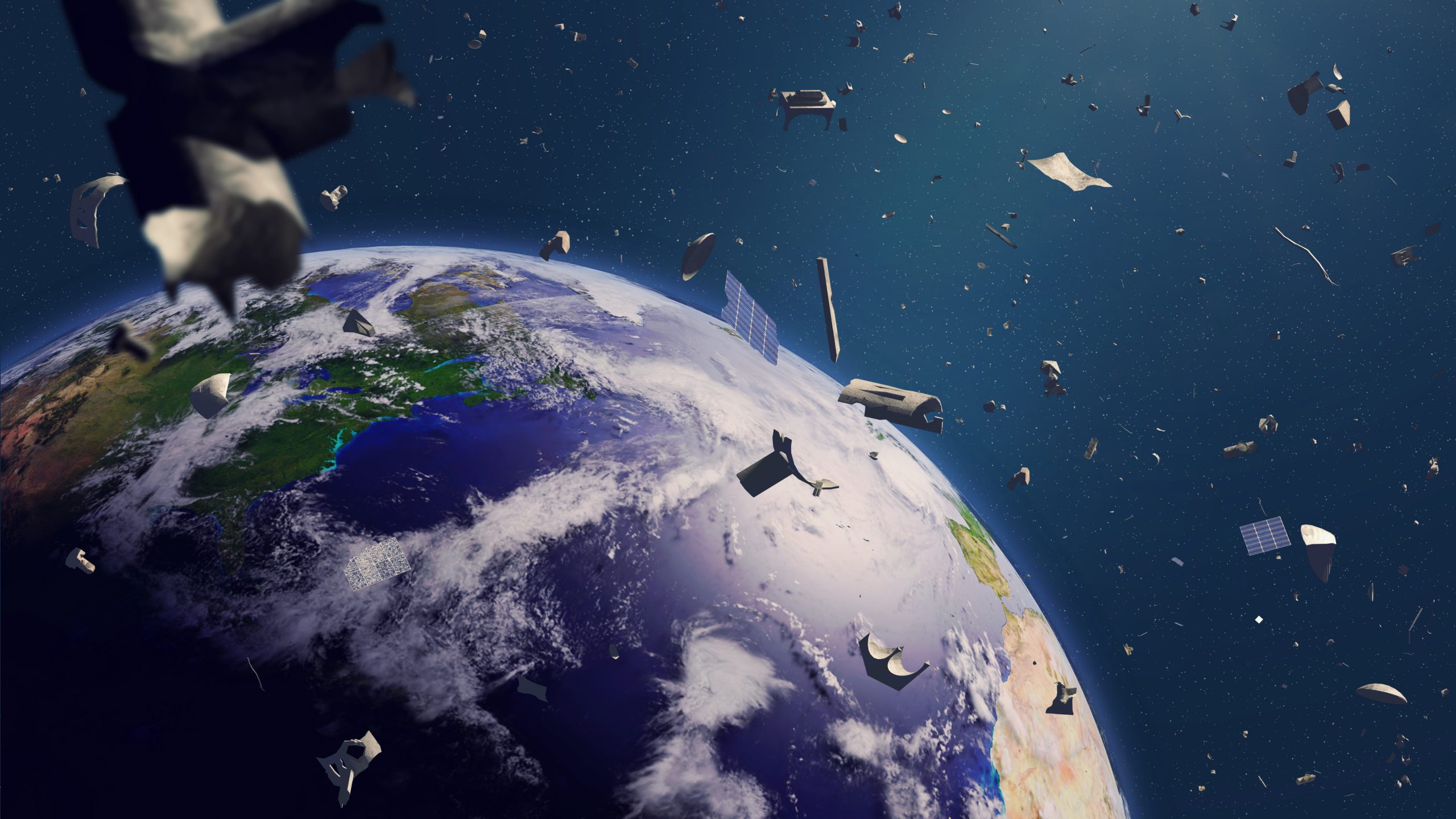
What’s New: A recent article in The Atlantic titled “One Satellite Crash Could Upend Modern Life.” It discusses the Kessler Syndrome, a cascade of collisions that could make Low Earth Orbit unusable.
Why It’s Important:
- Such a cascade could destroy essential satellites, be mistaken for (or hide) kinetic attacks, and shut off space to humanity.
- Rather than taking place over a few days, many scientists think this could happen over a hundred years or more, and may be happening already. See the below article.
- The good news – there may be time to prevent or stop it.
- The bad news – humanity does not respond well to gradually developing threats. Think about global warming…
What Else to Know:
- Some measures are in place to try to prevent new space junk. Some early attempts to even remove it.
- Russia, China, and India have not agreed to halt destructive ASAT testing in space. More such tests could create lots of debris and increase the problem/danger very quickly.

Understanding the misunderstood Kessler Syndrome
Nation-states are blowing up satellites. Companies are launching megaconstellations of thousands of satellites. Dead rocket stages whiz around the planet for years. And yet, the International Space Station hasn’t been destroyed, payloads reach deep space unharmed, and we’re not trapped on Earth — at least not by debris. Either calamity is not upon us or we just don’t recognize it. Jon Kelvey takes the measure of Kessler Syndrome.
Irony isn’t just limited to life in 1-g. Last year, a discarded payload adapter from a European Space Agency Vega rocket was orbiting Earth as it had for the past 10 years, when radars showed it had company — a small number of new objects traveling with it. ESA concluded that a “hypervelocity impact” with a piece of debris had broken fragments from the adapter.
Here’s the irony: ESA was preparing to dispatch a spacecraft to the adapter to demonstrate a technique for removing such debris, the goal being to reduce the odds of collisions that would make the trash problem worse.
The collision “actually shows how much we are running against the clock here,” says Portuguese engineer Tiago Soares. He’s the lead engineer at ESA’s Clean Space office, which helped conceive the planned cleanup demonstration, ClearSpace-1.
“We need to have reactive removal services available,” he says. Otherwise, debris could continue colliding with the growing number of spacecraft in orbit, producing more hazardous debris, and “it’s going to be much harder in the future to operate in space. There’ll be a lot more risks of losing satellites or losing a mission.”