



99.9% Not Good Enough for Urban Drones – Prof. Todd Humphreys

March 30, 2023

Written by Editor

Image: Univ of Texas

Blog Editor’s Note: If commercial aviation had a 99.9% safety record, in a normal year there would be 4,000 plane crashes around the world every day.

That’s why each component of a safety of life system is built to the most rigorous of standards and for the highest reliability.  It is only with multiple robust components, redundant systems supporting each other, and regular human intervention with maintenance and other checks that aviation is able to maintain a safety record that makes it acceptable for people to use almost without a second thought.

In the article below, Prof Todd Humphreys asserts the critical navigation systems for Urban Air Autonomy have to have multiple layers of robustness in order to be sufficiently reliable and safe. These layers are, he says:
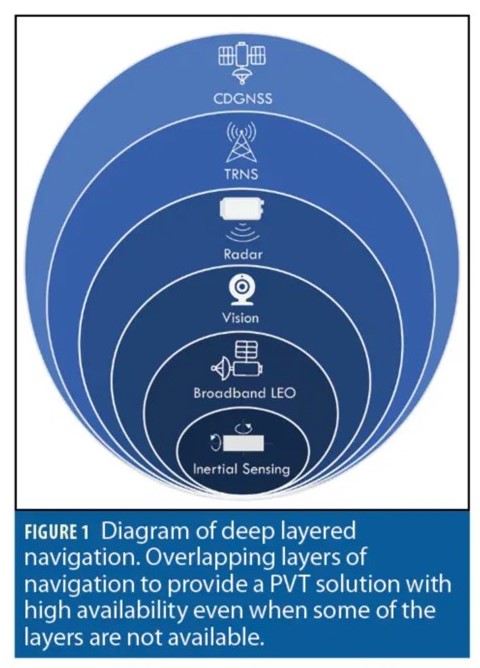
  • Carrier-phase-differential Global Navigation Satellite Systems
  • Terrestrial Radio Navigation System
  • Radar
  • Vision
  • Broadband Low Earth Orbiting PNT
  • Inertial

The public policy question then, in our view, if we want urban air mobility, or even just safe drone operations, who is going to pay for these systems? 

Clearly governments are paying for GNSS. And vehicle owners and operators will have to pay for the radar, vision, and inertial systems for the vehicles. 

But what about Terrestrial Broadcast, and Low Earth Orbit PNT?  Will governments provide those as free utilities/infrastructure like it does GNSS and stimulate development of the sector so it can grow as much as possible? And, by the way, other parts of the economy could use and build upon these also.

Or will governments leave yet another set of obstacles in the paths of what are already very challenging endeavors? 

(Guess which path China has taken and is already executing.)

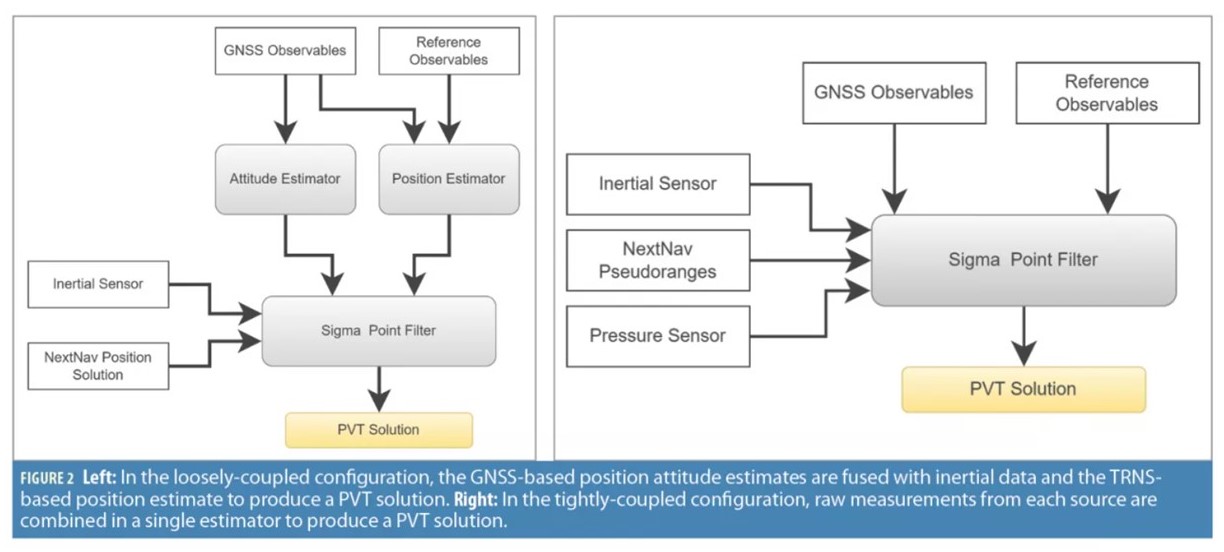
Graphics in Figures 1 and 2 courtesy Prof. T. Humphreys and Univ. Texas

Note PVT = Positioning, Velocity, and Timing
Well done, Todd! Another great piece based on realistic policy principles and superb engineering analysis.  

 

InsideGNSS

Robust Navigation for Urban Air Mobility

READ THE ARTICLE HERE

What Can YOU Do? How Can YOU Help?

PNT is the quiet backbone of everything but too many leaders still don't see the risk.

But you do. You understand the systems, the dependencies, the failure chains. That insight is rare — and it's exactly what your country needs right now. Contact your government leaders and industry decision-makers and tell them resilient PNT isn't a feature — it's the foundation everything else depends on.

Start the Conversation

Use our Resilient PNT Key Talking Points to make the case.

U.S. Advocates

Find your representatives at Congress.gov, then use our email template to reach them in minutes.

When you get a response, let us know. Every conversation strengthens the mission.

More PNT News

UK maritime navigation leader on chokepoints – PoliticsHome

UK maritime navigation leader on chokepoints – PoliticsHome

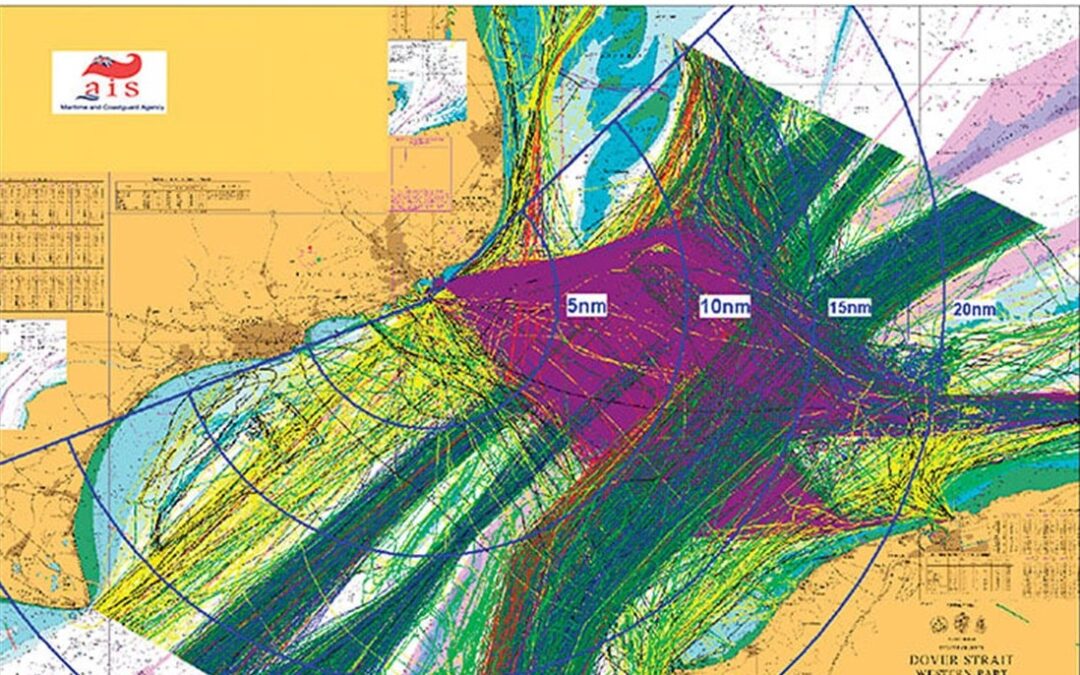
Image: UK General Lighthouse Authority - 28 days of ship traffic in Dover Strait What's new: An opinion piece from the head of the UK's General Lighthouse Authority which is responsible for maritime aids to navigation and assists government in marine spatial planning....

Lithuania Warns Russia Can Spoof GPS Across Europe – tovima.com

Lithuania Warns Russia Can Spoof GPS Across Europe – tovima.com

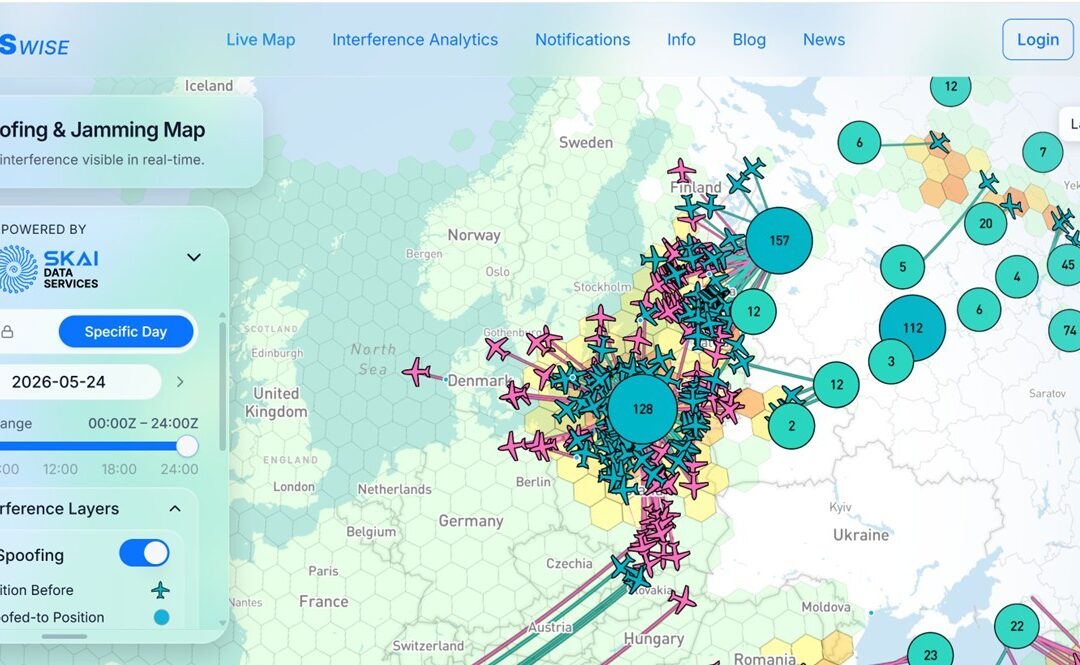
Image: Spoofing activity in northern Europe displayed on GPSWise.areo What's new: A report of increased Russian spoofing capability in Kaliningrad. Why it's important: Spoofing is hazardously misleading information and can result in tragedy. What else to know:...

Russia attacks NATO with drones – The Telegraph

Russia attacks NATO with drones – The Telegraph

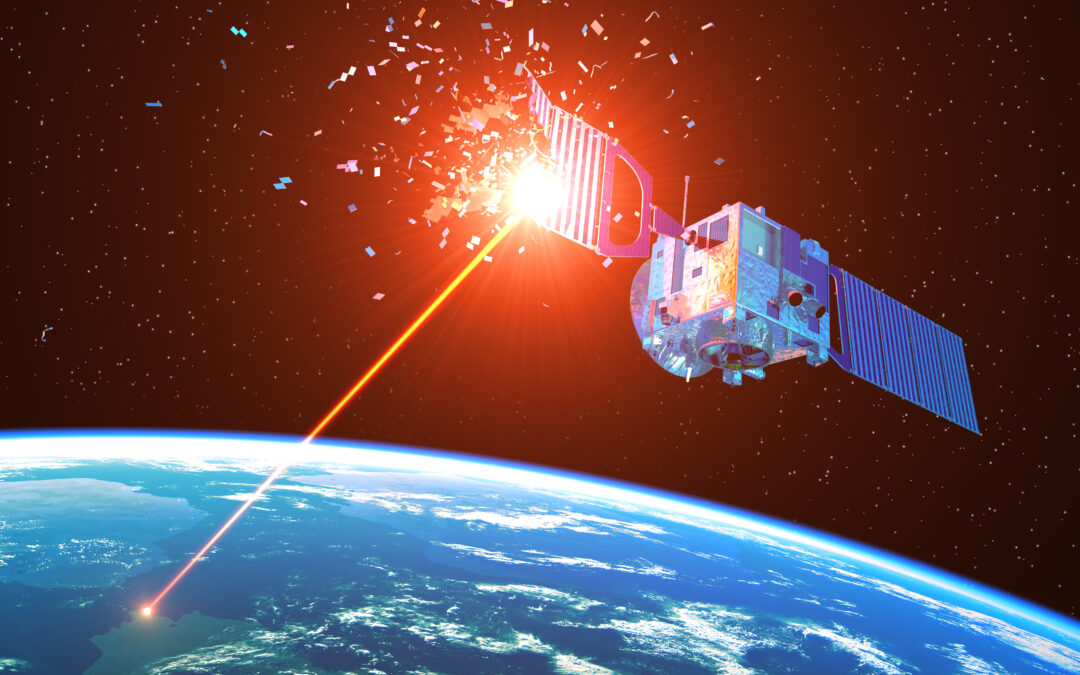
Image: Shutterstock What's new: A report of Russia spoofing Ukrainian drones and sending them against NATO targets. Why it's important: Russia is attacking NATO kinetically. This is not just electronic warfare anymore. Secondarily: If true, it shows Ukraine is still...

Canada Ending Radio Time Signals (accuracy

Canada Ending Radio Time Signals (accuracy <1ms)

Image: Shutterstock What's new: Canada has announced it is cancelling its short wave time signals as of the 22nd of June 2026. Why it's important: The other sources of official time from the Canadian government (National Research Council, or NRC) are less accurate...

Get PNT News in Your Inbox