


If GPS Failed, We’d Be More Than Lost – Wall Street Journal

November 27, 2017

Written by Editor

PHOTO: ISTOCK/GETTY IMAGES

If GPS Failed, We’d Be More Than Lost

Congress should fund a land-based navigation system in case the other one goes down.

Nov. 26, 2017 4:04 p.m.

North Korea and Russia pose increasingly serious geopolitical threats to the U.S. and its allies. While these rogue nations possess nuclear weapons and formidable conventional forces, they have also used unconventional methods like hacking to attack government institutions and private companies. Add another target to the list of concerns: the Global Positioning System.

Built primarily for the U.S. military, GPS is now used by civilians across the globe. Smartphones, personal navigation units, and air-traffic control all rely on it. They’re part of modern life, constantly performing trivial and critical functions all over the country. Fifteen of the “18 Critical Infrastructure and Key Resource sectors” in the U.S. are GPS-reliant, according to the Department of Homeland Security.

Blog Editor’s Note: The electronic copy of the full article is behind the Wall Street Journal paywall.  The authors go on to discuss:

  • Temporary, local GPS failures have already proved chaotic. 
  • As troublesome as a minor threat is, what if GPS as a whole were attacked? 
  • Anything that requires precise timing would be affected because GPS satellites serve as global timekeepers. 
  • Even if America’s adversaries are not capable of pulling off such a feat, Mother Nature certainly is (Carrington Event).
  • A better option is to build a land-based navigation system. The good news is that such a system, known as Loran, already exists
  • Congress is considering a bill, the Department of Homeland Security Authorization Act, that would revive and enhance Loran into a highly reliable, ground-based backup system. 

Here is the print article from page A17 of the 27 November 2017 edition of the paper.

Mr. Everett is a systems engineer. Mr. Berezow is senior fellow at the American Council on Science and Health.
What Can YOU Do? How Can YOU Help?

PNT is the quiet backbone of everything but too many leaders still don't see the risk.

But you do. You understand the systems, the dependencies, the failure chains. That insight is rare — and it's exactly what your country needs right now. Contact your government leaders and industry decision-makers and tell them resilient PNT isn't a feature — it's the foundation everything else depends on.

Start the Conversation

Use our Resilient PNT Key Talking Points to make the case.

U.S. Advocates

Find your representatives at Congress.gov, then use our email template to reach them in minutes.

When you get a response, let us know. Every conversation strengthens the mission.

More PNT News

UK maritime navigation leader on chokepoints – PoliticsHome

UK maritime navigation leader on chokepoints – PoliticsHome

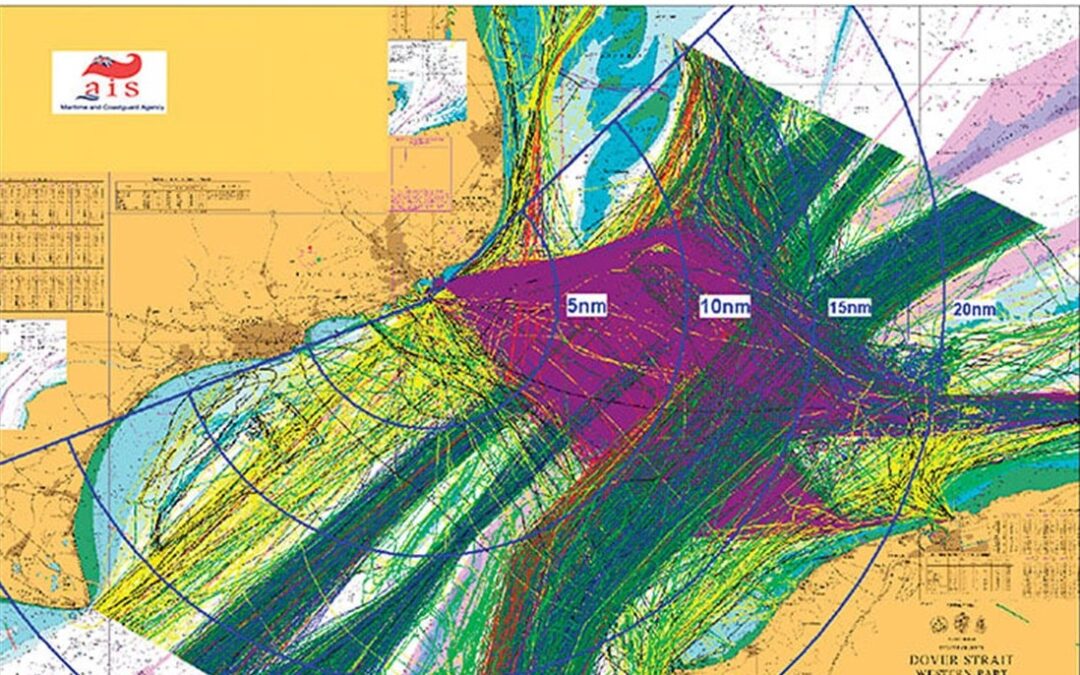
Image: UK General Lighthouse Authority - 28 days of ship traffic in Dover Strait What's new: An opinion piece from the head of the UK's General Lighthouse Authority which is responsible for maritime aids to navigation and assists government in marine spatial planning....

Lithuania Warns Russia Can Spoof GPS Across Europe – tovima.com

Lithuania Warns Russia Can Spoof GPS Across Europe – tovima.com

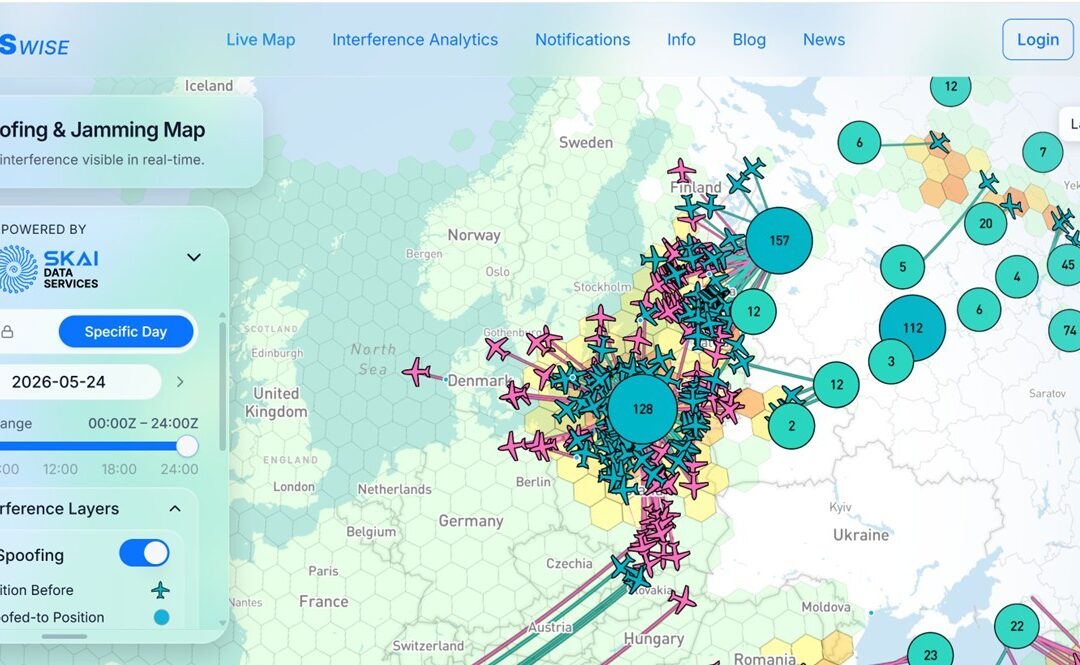
Image: Spoofing activity in northern Europe displayed on GPSWise.areo What's new: A report of increased Russian spoofing capability in Kaliningrad. Why it's important: Spoofing is hazardously misleading information and can result in tragedy. What else to know:...

Russia attacks NATO with drones – The Telegraph

Russia attacks NATO with drones – The Telegraph

Image: Shutterstock What's new: A report of Russia spoofing Ukrainian drones and sending them against NATO targets. Why it's important: Russia is attacking NATO kinetically. This is not just electronic warfare anymore. Secondarily: If true, it shows Ukraine is still...

Canada Ending Radio Time Signals (accuracy

Canada Ending Radio Time Signals (accuracy <1ms)

Image: Shutterstock What's new: Canada has announced it is cancelling its short wave time signals as of the 22nd of June 2026. Why it's important: The other sources of official time from the Canadian government (National Research Council, or NRC) are less accurate...

Get PNT News in Your Inbox